
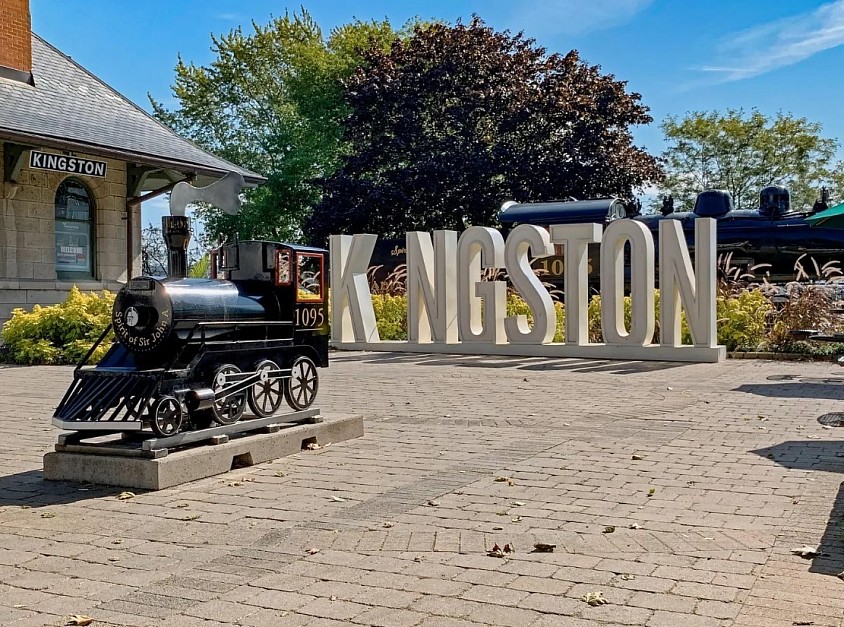
Lemoine Point Mornings and Waterfront Wonders in Kingston, ON K7L 1C3
Shores, Songbirds, and Quiet Trails
- The western edge of Kingston yields a sanctuary where lake, meadow, and woodland braid together. Lemoine Point Conservation Area offers a refreshing counterpoint to downtown’s lively cadence. Dawn arrives softly here. Waves tap the limestone shore. Chickadees announce the day with audacious cheer. A visit frames Kingston’s character: resilient stone, gracious water, and a community that prizes green refuge.
Forest Paths and Meadow Light
- Trails thread through mixed hardwood stands that glow in early light. Sugar maples, oaks, and shagbark hickories arch like a living nave. In summer, the understory sings with crickets, while milkweed umbels invite monarchs. The meadows near the southern gate shimmer with big bluestem and goldenrod, creating a painterly palette in late September. Walk slowly. Edges are rich with life—rabbits scuttle, garter snakes sun themselves, and swallows skim for insects.
Lake Ontario’s Breezy Margin
- Along the shoreline, wind combs the water into silver lacets. Benches face expanses where sailboats tack toward Portsmouth Harbour. Skipping stones becomes meditative here. On blustery days, whitecaps slap the quarried rock, and gulls ride the gusts like kites. In winter, frazil ice assembles intricate lace at the waterline, a reminder of the lake’s constant, creative temperament.
Birdlife and Seasonal Spectacle
- Lemoine Point doubles as a discreet amphitheater for migration. Spring brings warblers threading the canopy—yellow-rumped, black-throated green, and magnolia among them. Autumn escorts skeins of Canada geese overhead, their honks a sonorous metronome. Resident chickadees and red-breasted nuthatches grow bold; sunflower seeds disappear from open palms. Patient observers may spot a great horned owl snug in a cedar, or a northern harrier ghosting the meadow at dusk.
Trail Etiquette and Practical Wisdom
- Paths are wide and largely level, suitable for varied abilities. After rain, clay patches grow slick; sturdy footwear preserves both footing and habitat. Dogs are welcome on-leash, which protects nesting birds and delicate shoreline flora. Cyclists practice courtesy at blind corners. Bring a refillable bottle—there’s shade, but summer sun can be insistent. A light field guide or identification app elevates curiosity into understanding.
Nearby Heritage and Cultural Threads
- The character of this green space unfurls outward. To the east, Portsmouth Village keeps maritime echoes alive with limestone cottages and a snug harbour. Farther along, Breakwater Park and the Gord Edgar Downie Pier invite an urban swim beneath a sky vast as a canvas. Downtown’s stone civic buildings—City Hall and Market Square—reveal 19th-century craftsmanship that still anchors public life. A short drive takes you to Murney Tower, where cut-stone walls and cannon embrasures recount a defensive age.
Family-Friendly Ways to Spend the Day
- Pack a modest picnic. Meadow edges grant windbreaks, while lakeside clearings deliver horizon views. Young explorers can tally acorns, compare leaf lobes, or watch damselflies hover like blue needles above ponds. In winter, the crunch of snow under boots delights small ears, and animal tracks write riddles in white. Even brief visits revive the senses; longer rambles stitch memory to place.
- Lemoine Point affirms the city’s habit of balancing heritage and habitat. Here, a simple walk translates the city’s wider narrative—stone, water, wind, and welcoming paths. Return downtown with lake-salted lungs and a quieter mind, ready to explore Kingston’s next chapter along the shore.
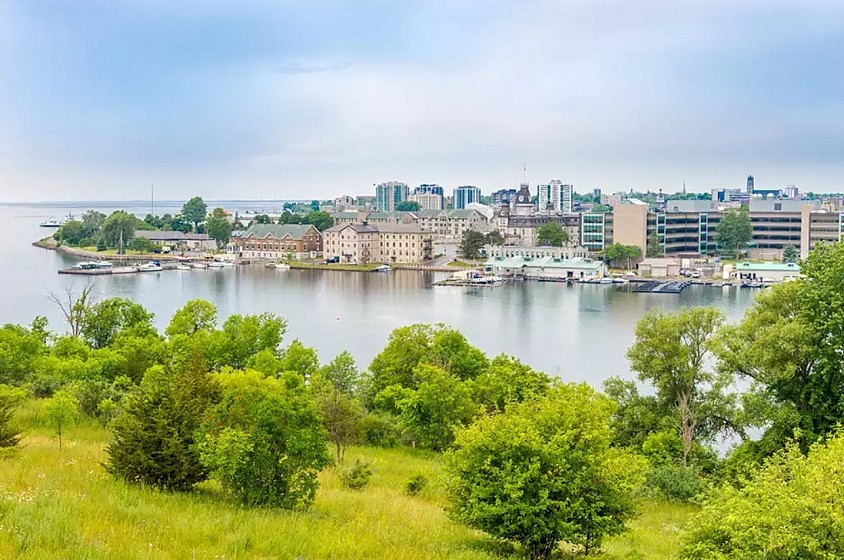
Lakeside Heritage and Hidden Corners near Kingston, ON K7L 1C3
Introduction to a Waterfront City with Enduring Character
Kingston’s downtown radiates history. Limestone facades gleam under lake light, while breezes from Lake Ontario carry a hint of brine and cedar. Within a few blocks of Princess Street, civic grandeur collides with maritime lore and collegiate vitality. The result is a compact cityscape ideal for wandering, learning, and lingering over views that have anchored generations. Consider these evocative places and experiences, each revealing a different layer of the city’s narrative.
Fortifications and Military Echoes
The city’s shoreline bristles with 19th-century ingenuity. Fort Henry crowns the hill across the Cataraqui River, its ramparts and dry ditches revealing a meticulous defensive geometry. Drill demonstrations and interpretive exhibits animate the stonework, clarifying why the fort long guarded lake and canal approaches. Downstream, Murney Tower compresses the same martial intent into a cylindrical silhouette—its embrasures peering toward the harbor. These sites, together with Shoal Tower beside the marina, map a defensive constellation that safeguarded commerce and sovereignty. Arrive early in the day. The masonry glows softly, and the gulls wheel overhead like clockwork.
Civic Splendor and Market Traditions
City Hall commands Confederation Park with Neoclassical poise. Its dome, coppered by time, surveys a public square where residents gather for concerts, civic ceremonies, and moments of repose. On market days, Springer Market Square hums with agricultural abundance: heirloom vegetables, artisan cheeses, maple confections. The square transforms with the seasons—alfresco stages in summer, an ice rink in winter—drawing families and visitors into the city’s communal rhythm. Nearby, the Grand Theatre continues a long lineage of performance, where touring productions share the docket with local ensembles, giving the arts a dignified house on Princess Street.
Maritime Lore and Industrial Ingenuity
Ships, steam, and stone converge along Ontario Street. At the PumpHouse, immense flywheels and gleaming valves narrate the transition from river-drawn labor to municipal modernization. Children marvel at interactive exhibits; history aficionados parse the city’s early engineering. Just beyond, the Marine Museum of the Great Lakes preserves artifacts from tall ships to diesel-era freighters. Scale models, brass instruments, and weathered nameplates testify to a working waterfront that once thrummed with shipyards and chandlers. From Confederation Basin, watch sailboats trace deliberate arcs. The choreography is timeless.
Academic Enclaves and Artistic Depth
Queen’s University lends a scholarly cadence. Collegiate Gothic halls, ivy-kissed and storied, host collections at the Agnes Etherington Art Centre that range from Baroque portraits to contemporary installations. Stroll through campus courtyards where stone carvings and archways render intriguing photographic vignettes. The university’s observatories, libraries, and quiet greens create an intellectual precinct that is porous to the city, inviting guests to attend lectures, exhibitions, and recitals. The dialogue between town and gown enriches both.
Green Respite and Shoreline Meanders
Nature is never far from the cobblestones. Lake Ontario Park offers ribboned trails, pebble-strewn beaches, and benches oriented toward horizon and cloud. At Lemoine Point Conservation Area, deciduous groves host thrushes and warblers; boardwalks skirt cattail marshes alive with red-winged chatter. Families picnic under maple canopies. Cyclists drift along waterfront paths past willows and low limestone outcrops. As daylight wanes, the sky performs: coral, mauve, then slate. It’s contemplative and restorative.
Island Crossings and Canal Wonders
The Wolfe Island ferry departs steps from downtown, gratis and frequent. The crossing opens a pastoral interlude of wind turbines, quiet roads, and shoreline vistas suitable for cycling and photography. Northward, the Rideau Canal’s Kingston Mills Lockstation illustrates early Canadian engineering with hand-cranked gates and stone-cut chambers. Visitors can observe boats rising and descending, an analog ballet synchronized by Parks Canada crews. Pack a picnic; the lawns beside the locks encourage unhurried afternoons.
Culinary Interludes and Leisurely Pauses
Between explorations, the city rewards lingering. Cafés along Princess and Brock Streets serve aromatic roasts and patisserie, ideal for mid-morning respite. Waterfront patios pair lake breezes with regional fare—arugula-bright salads, perch sandwiches, stone-fired flatbreads. Evening ushers in candlelit dining rooms within former warehouses and carriage houses, where exposed beams and limestone blocks add texture to the culinary experience.
Highlights to Explore Nearby
- Fort Henry National Historic Site
- Murney Tower National Historic Site
- Shoal Tower by Confederation Basin
- Kingston City Hall and Confederation Park
- Springer Market Square
- The Grand Theatre on Princess Street
- PumpHouse Steam Museum
- Marine Museum of the Great Lakes
- Queen’s University and Agnes Etherington Art Centre
- Lake Ontario Park
- Lemoine Point Conservation Area
- Wolfe Island Ferry Terminal
- Kingston Mills Lockstation (Rideau Canal)
- Bellevue House National Historic Site
- Portsmouth Village waterfront
Practical Tips for an Unhurried Visit
Comfortable footwear matters; the limestone and brick underfoot can be undulating. Mornings are serene along the harbor, while late afternoons cast long, photogenic shadows on façades. Many museums operate seasonal hours—verify schedules, especially in shoulder months. Bring a light jacket for ferry crossings; the lake wind can surprise even on warm days. Above all, leave room in the itinerary for serendipity. Kingston rewards the meanderer with subtle details—a wrought-iron transom, a bell tower’s carillon, a schooner’s rigging humming in the breeze.